
OMG! You are going to Europe! My 6 week trek across the continent was an adventure of a lifetime. I started my packing (and unpacking) for the trip a week in advance, and I read and researched a lot. This is what I found worked, and also what I wish I knew instead.
Some of the links on this blog are affiliate links, meaning I may earn a small commission at no additional cost if you make a purchase through these links. I only recommend products and services that I trust and believe will bring value to my readers. Your support helps keep this blog running—thank you!
Essential Backpacking Gear
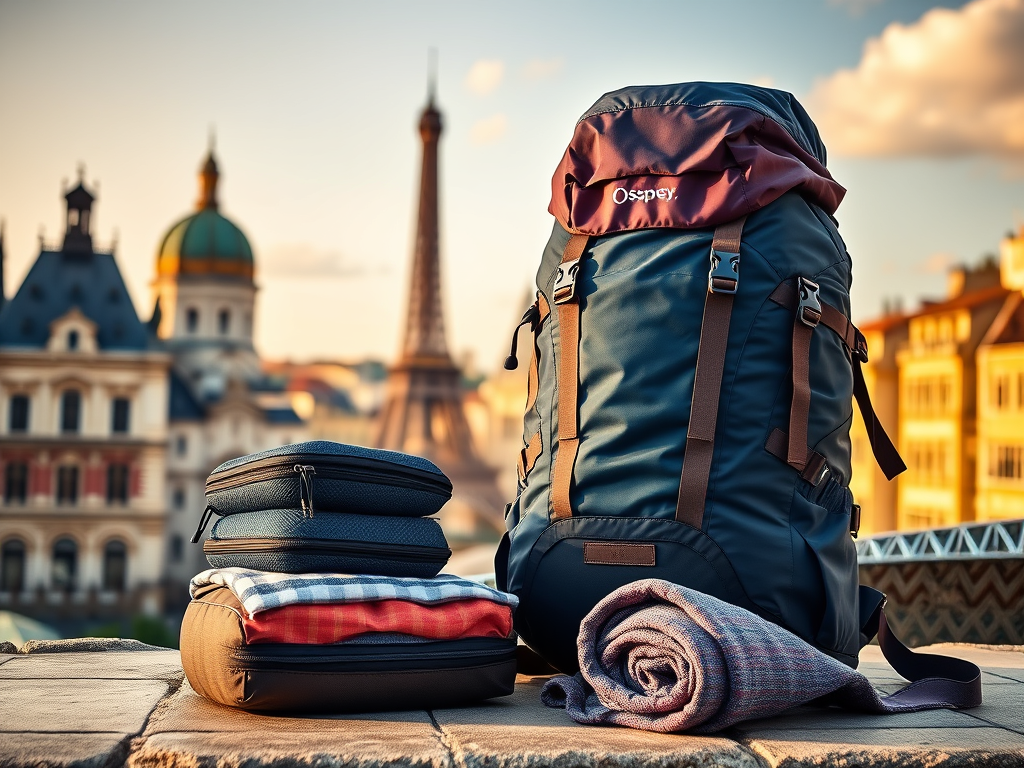
- Backpack: Yes! An actual backpack. I went on a tour through EF Ultimate Break, with a group of 42 strangers. I was one of two that actually brought a backpack, and I was so thankful after seeing everyone else struggle with their 2 suitcases and carry ons on to public transportation and down the cobble streets. Multiple people had to actually buy new luggage while overseas because their suitcases were falling apart. Here is the one I bought and 100% recommend:
- Osprey Eja 38 Women’s Ultralight Backpacking Backpack

- Packing Cubes: If you are hostel hopping you will be in rooms with strangers. Packing cubes help you organize and find your belongings quickly, without worrying about your underwear falling in the middle of the floor! This is the set that I got, and they were a game changer. I packed my underwear in the smallest one, nice tops and active wear in the medium sized ones, and then anything bulky like pants or jackets in the largest one.
- Pro Tip: As you get further into your journey, you can reorganize the cubes by clean and dirty clothes, to keep them separate in your case.
5 Set/8 Set Packing Cubes – Travel Organizers with Laundry Bag

- Travel Towel: A pleasant surprise, every hostel/hotel we stayed in carried towels for the guest with the exception of London. Because of this, I would not waste lots of room on a big bulky towel. Here is the microfiber towel that I took on my trip, that was quick dry, and easy to pack for the few times I needed it.

Clothing
Versatile Layers: The key to packing effectively for Europe is versatility, especially considering the varied climates and cultural norms. My own pack included:
- Swimwear: One swimsuit for beaches or pools.
- Tops: Four athletic/casual tops for everyday wear and three dressier options for evenings or cultural visits.
- Bottoms: Three pairs of athletic shorts, one pair of jeans, and one pair of jean shorts—which I found to be a mistake due to their bulk and drying time. Leggings and a pair of sweats rounded off my choices.
- Dresses and Skirts: I regret not packing more casual skirts and dresses. They are stylish, cooler, and more common in Europe than back home. I often found myself borrowing these items from travel mates.
- Jacket: One versatile jacket for cooler days or breezy evenings.
Pro Tip: Avoid denim if possible. The washers and dryers in many hostels don’t work as well as those back home, and I spent too much time and money trying to get my jeans dry.
Footwear
Walking Everywhere: Comfortable footwear is crucial because you will walk more than you think. I started my trip with:
- Walking Shoes: Invest in a high-quality pair that can handle long distances comfortably. I wear the Brooks Ghost:
Brooks Women’s Ghost 16 Neutral Running Shoe

- Sandals and Sneakers: Both my sandals and cute sneakers wore out due to extensive walking. I recommend bringing shoes you wouldn’t mind leaving behind to save space for souvenirs.
- Flip Flops: I did not bring these. But they would have been nice walking around the hostel, or at the beach.
Towards the end of my travels, comfort became paramount, and I found myself wearing my sturdy walking shoes even with dressier outfits.
Accessories
Keeping It Simple: Choose a few basic, versatile pieces. For example:
- Scarf: A lightweight scarf is invaluable in Europe, especially during the summer when visiting sacred or religious sites where you need to cover your arms and legs. I learned this the hard way on some particularly hot days when I was unprepared and uncomfortable.
- Appliances: When traveling to Europe, remember that their electrical outlets typically use 220-240 volts, unlike the 110-120 volts in North America. To prevent damaging your hair appliances, consider bringing dual-voltage devices or purchasing a voltage converter. Alternatively, you could buy a local appliance when you arrive. I ignored this warning, and my hair dryer short circuited after one use. Due to time constraints of sharing the bathroom, we got to where we only put our hair up. I only brought a straightener, and that was perfect.
Tech and Gadgets
- Universal Travel Adapter: Something I didn’t know until I read about it in another blog… but their outlets are different. Here is the adapter I got, and had no issues.

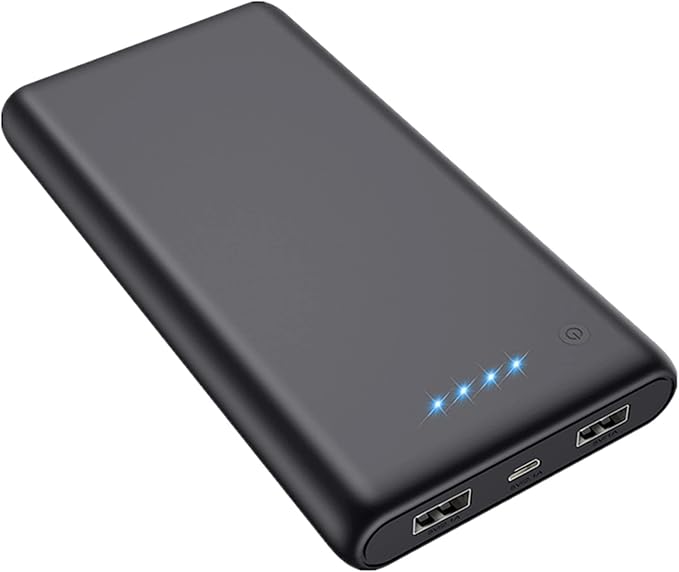
- Power Bank: There will be some long days, and you will need your phone to ensure you don’t get lost. I got a cheap power bank for this trip, and regretted it. It charged my phone very slowly, and died after half a charge. A travel mate had this one, and I purchased this for my next trip.
Toiletries and Health
Packing the right toiletries and health supplies can make a big difference in your comfort and well-being during a European backpacking trip. Here’s what worked for me:
- Travel-sized Toiletries: While I opted to bring full-sized bottles of shampoo and conditioner for a six-week trip, which required me to check my backpack, I managed to keep everything else minimal. Small bottles of body soap, face wash, moisturizer, body spray, and deodorant, along with a few other hair products, were sufficient. I used a toiletry bag that could hang open on my bed for easy access but was also simple to pack up.

- First Aid Kit: I carried a small first aid kit containing band-aids and pain relievers. Although I never needed it myself, several of my travel companions found it handy for dealing with blisters and headaches. It’s always better to be prepared!
- Sunscreen: I must admit, I didn’t use sunscreen as much as I should have. If you’re planning beach days or are particularly prone to sunburn, consider purchasing a small bottle locally instead of packing one. It might save you some space if you’re not going to use it frequently.
By preparing thoughtfully for your health and hygiene needs, you can avoid unnecessary hassles and enjoy your travels more. Remember, every bit of space in your backpack is valuable, so prioritize items that are essential and versatile.
Safety and Security
Keeping your belongings safe is crucial when traveling, especially in bustling tourist areas. Here’s how I managed security during my travels:
- Crossbody Bag: Experiencing a police chase after a pickpocket was quite the sight, but luckily, I never faced any issues personally. I used a crossbody bag, which I always kept in front of me. Naturally, I also kept a hand on the strap. My advice is simple: keep your bag in sight, and don’t leave valuables in easily accessible backpack pockets. You don’t need to go overboard with hiding your things, but being mindful and vigilant can go a long way in preventing theft.
- Padlocks: To ensure extra security, especially when leaving my belongings in hostels, I never carried my passport with me while exploring. Instead, I used my driver’s license as identification and kept my passport locked up in the hostel, along with any other valuables. A sturdy padlock is a small investment that can give you peace of mind, knowing your important items are secured.
Miscellaneous Items
- Journal or Notebook: While I opted to keep a digital journal on my phone for convenience, traditional journaling has its charms too. Whether you prefer typing or handwriting, make it a habit to jot down the places you visit, the foods you try, and the activities you engage in each day. This not only helps you remember your journey vividly but also makes it easier to give tips and suggestions to friends and family based on your experiences.
- Reusable Water Bottle: Carrying a reusable water bottle is a must, especially in Europe where purchasing water can quickly add up. Many places, including restaurants, charge for water, and it’s typically served by the pitcher rather than per person. During the hot summer months, staying hydrated is even more crucial. Having your own water bottle means you can refill it at any public water fountain or sink, ensuring you stay hydrated throughout the day without the extra cost.
- Copies of Important Documents: Perhaps it might seem excessive, but I always travel with paper copies of my passport, driver’s license, and health insurance card. I keep a set with me in a separate location from the originals and leave another set with my family back home. This way, if any of my important documents are lost or stolen, I have backups ready to help verify my identity and expedite the replacement process.
Conclusion
In conclusion, packing smart for a backpacking trip through Europe can significantly enhance your travel experience. From choosing the right gear and clothing to preparing for safety and documenting your journey, every item you bring should serve a purpose. Remember, the goal is to travel light and stay organized, allowing you to focus on the incredible sights and experiences ahead. So pack thoughtfully, embrace new adventures, and get ready to create unforgettable memories on your European expedition. Safe travels and happy vacationing!






Leave a Reply