

Your Fun and Informative Guide to Traveling Europe Like a Pro!
Some of the links on this blog are affiliate links, meaning I may earn a small commission at no additional cost if you make a purchase through these links. I only recommend products and services that I trust and believe will bring value to my readers. Your support helps keep this blog running—thank you!
Traveling to Europe is a dream come true, with its centuries-old architecture, vibrant cultures, and breathtaking landscapes. Yet, every destination comes with its quirks, and Europe is no exception. To ensure your trip is as smooth as it is memorable, you’ll need to be prepared for everything from packing efficiently to mastering cultural etiquette.
In this guide, we’ll cover:
- Packing smart for comfort and convenience
- Culinary customs
- Accommodations and transportation
- Breaking language barriers with ease
- Money matters
- Adapting to local fashion
- Safety and security
By the end of this guide, you’ll have the tools and confidence to make the most of your European adventure. Let’s dive in!
1. Packing Essentials and Luggage Tips
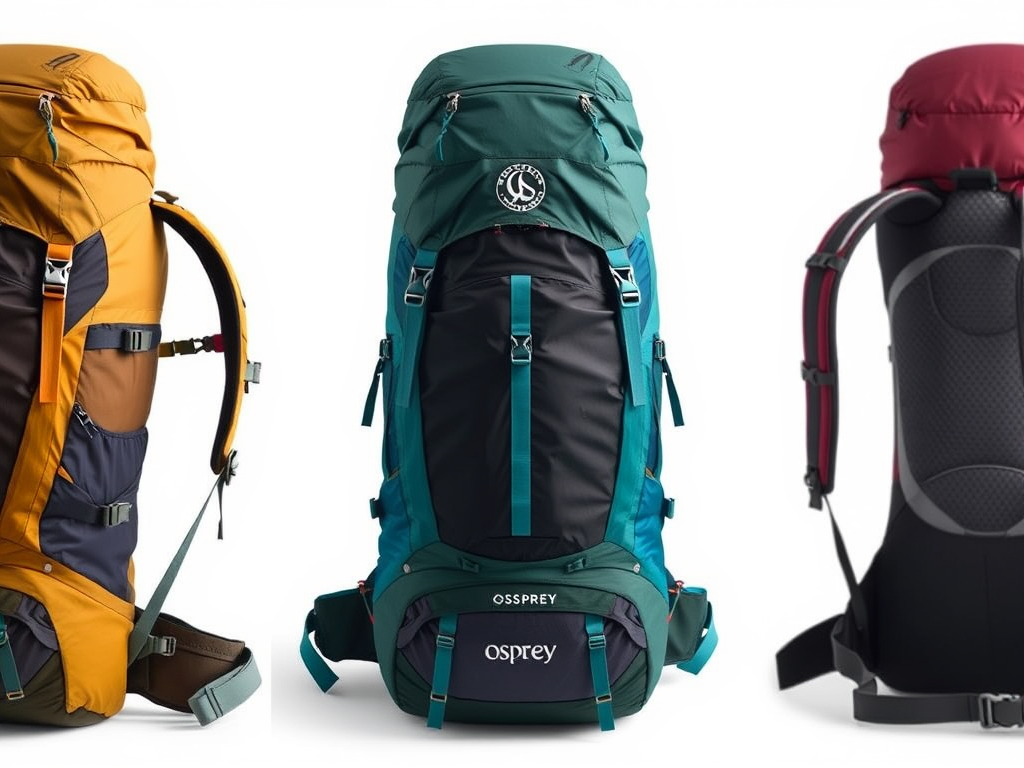
Backpacks Over Suitcases: Why It Matters
Europe’s charming old-world architecture comes with its quirks—narrow alleys, steep staircases, and cobblestone streets are common. While wheeled suitcases may seem convenient, they can quickly become a burden.
- Why Choose a Backpack?
- Mobility: Backpacks allow you to move easily through crowded train stations, up flights of stairs, and along uneven streets.
- Durability: A high-quality backpack can withstand wear and tear better than many suitcases.
- Versatility: You can carry a backpack on your back, freeing up your hands for tickets, maps, or snacks.
Pro Tip: Invest in a travel-specific backpack like the Osprey Eja 58 that is linked below—these are lightweight, ergonomic, and designed for comfort. If you’re not used to carrying a backpack, practice packing and wearing it before your trip. Use packing cubes that are also linked below to organize your belongings and maximize space. They also make unpacking at your destination quick and easy.
European Power Adapters and Electronics
Europe has a variety of plug types and voltage standards, so ensuring your devices are compatible is crucial.
- Universal Power Adapter:
- A universal adapter covers all European plug types and ensures you can charge your devices anywhere. Look for adapters with USB ports to charge multiple devices simultaneously like the one linked below.
- Voltage Compatibility:
- European outlets operate at 220-240V, while devices from North America often run on 110V. Most modern electronics like laptops and phone chargers are dual voltage, but check your devices before packing. The difference is normally found in hair dryers and other styling tools. The wrong voltage will fly your tool. For single-voltage devices, you’ll need a voltage converter.
Pro Tip: Avoid overloading your adapter with high-power devices like hair dryers. Instead, use compact travel versions designed for European voltage or rely on the appliances provided by your accommodation.
Appropriate Footwear: Comfort is Key
Comfort over Style. No one is looking at your feet! European cities are best explored on foot, with uneven cobblestones and long distances between landmarks. A high-quality, well-cushioned pair of walking shoes is a must. Break them in before your trip to avoid blisters and discomfort. Bonus tip: Pack lightweight sandals for casual outings or beach trips.
Pro Packing Tips for Europe
Leave Room for Souvenirs:
You’re bound to pick up unique items along the way, from local crafts to delicious treats. Pack light initially to leave space for souvenirs.
Laundry on the Go:
For longer trips, pack travel-size detergent or laundry sheets and a portable clothesline. Doing laundry mid-trip reduces the amount of clothing you need to bring. Doing laundry in Europe can be a time-consuming affair. Dryers are often less efficient than what you may be used to, so plan your laundry days carefully. Quick-dry fabrics like linen or athletic wear can save you both time and effort. Bring along a portable clothesline to hang-dry items—it’s a game-changer!

2. Culinary Customs: Savoring Europe’s Unique Food Traditions
Europe is a food lover’s paradise, offering a dazzling array of flavors, dishes, and dining experiences. From cozy family-owned bistros to bustling street markets and Michelin-starred restaurants, every meal has the potential to be a memorable event. However, European dining customs can differ significantly from what you might be used to. Understanding these culinary nuances will not only help you navigate mealtime but also enhance your appreciation of local cultures.
Water Isn’t Always Free
Unlike in some countries, tap water isn’t routinely served at restaurants in many parts of Europe. Instead, you’ll be asked if you prefer still or sparkling water, which comes bottled and is almost always an additional charge.
- What to Expect: Water is often shared among diners in a single bottle, and refills come at a cost.
- Pro Tip: If tap water is acceptable (and safe to drink in most European countries), you can specifically request it by saying:
- French: “Une carafe d’eau, s’il vous plaît” (a carafe of tap water).
- German: “Leitungswasser” (tap water).
- Italian: “Acqua del rubinetto” (tap water).
Tipping Practices Vary by Country
Tipping customs across Europe differ from place to place, but they generally don’t follow the same rules as in North America.
- Where Tipping is Minimal:
- In countries like France, Italy, and Spain, service charges are often included in the bill (service compris in French). While tipping isn’t mandatory, leaving a small amount (1-2 Euros or rounding up) is a polite gesture for good service.
- Where Tipping is Expected:
- In Germany, Austria, and Scandinavia, it’s customary to tip 5-10% of the bill for good service, even if a service charge is included.
- Where Tipping is Rare:
- In Eastern Europe (e.g., Hungary, Czech Republic), tipping is less common but appreciated. A few coins or rounding up the bill is sufficient.
Pro Tip: Check the bill for a service charge, which may be noted as coperto (Italy) or servizio incluso (Spain). If it’s already included, additional tipping is optional.
Dining Pace: Meals Are a Leisurely Affair
In much of Europe, dining is about enjoying the experience rather than rushing through a meal.
- What to Expect: Meals often last longer than in North America, with servers taking their time between courses. You may need to request the check (l’addition in French, il conto in Italian) as it’s considered rude to rush diners.
- Pro Tip: Embrace the slower pace! Use this time to savor your food, chat with companions, or simply soak in the ambiance.
Food Etiquette and Traditions
- Bread Isn’t Always Free:
- In countries like Italy and Spain, bread brought to the table may not be complimentary, even if you didn’t order it. If you eat it, expect a small charge on your bill.
- Sharing is Caring:
- In Mediterranean countries like Greece or Spain, sharing small plates (tapas or meze) is common and encouraged.
- Coffee Culture:
- Coffee in Europe is more of a ritual than a caffeine fix. For example:
- Italy: Order espresso if you want to blend in. Cappuccinos are for mornings only!
- France: Don’t expect giant cups of coffee; café au lait or espresso is the norm.
- Coffee in Europe is more of a ritual than a caffeine fix. For example:
- Alcohol with Meals:
- Many Europeans enjoy wine or beer with their meals. It’s considered normal and doesn’t carry the same stigma as midday drinking might elsewhere. When offered, try a regional specialty wine or beer—it’s a cultural experience in itself!
Reservations Are Commonplace
Spontaneity at mealtime can be challenging in Europe, especially in smaller towns or during peak hours.
- What to Expect: Many restaurants, especially upscale or popular ones, require reservations. Larger dinner parties (more than 4-5 people) may even be turned away without one.
- Pro Tip: Use apps like TheFork or OpenTable to book your table in advance, or call the restaurant directly. If you’re unsure about walk-ins, plan to dine earlier or later than peak hours.
3. Accommodations and Transportation
Hostel Life 101
Hostels aren’t just for budget travelers—they’re social hubs where you can meet people from around the world. Look for hostels with high cleanliness ratings and secure lockers. Websites like HostelWorld let you filter for features like private rooms or female-only dorms if you prefer a little extra comfort.
Restrooms Aren’t Always Free
Public restrooms in Europe often come with a small fee, typically around €0.50 to €1.00. Keep some coins handy, as card payments are rarely accepted. Alternatively, plan restroom stops at cafes, museums, or restaurants where facilities are free for patrons.
Public Transit is Your Best Friend
European cities have excellent public transit systems. Familiarize yourself with the local subway or bus network before arriving. Apps like Google Maps and Citymapper can help you navigate routes, find schedules, and even estimate travel times. Don’t forget to validate your ticket—it’s a common requirement, and inspectors do check! For more details, take a look at my blog for helpful Sunway tips!
5. Language and Communication
- Multilingual Countries:
- In countries like Belgium or Switzerland, multiple languages are spoken depending on the region. Be aware of regional languages to greet people appropriately. For example, French in Geneva and German in Zurich.
- Small Towns vs. Cities:
- Larger cities like Paris or Amsterdam often have more English speakers, while smaller towns may require more effort with the local language.
- English as a Universal Language:
- While English is widely understood across Europe, especially in Scandinavian countries and the Netherlands, it’s not guaranteed everywhere. Prepare for more remote regions where English speakers might be rare.
Learn a few key phrases in the languages of the countries you’re visiting. A simple “please,” “thank you,” and “where is the bathroom?” can go a long way. Duolingo is a free app that has over 40 languages and can help brush on some helpful phrases.
Translation Apps to the Rescue
While language barriers can be challenging, technology bridges the gap. Google Translate is especially handy for translating menus, signs, and even conversations in real time. Use the app’s camera feature to scan and translate text instantly—a lifesaver in foreign restaurants and shops.
6. Money Matters
Understand Currency Differences
Europe isn’t a one-currency-fits-all destination. While many countries use the Euro (€), others have their own currencies.
- Countries Using the Euro (€):
- Most European Union (EU) nations, such as France, Germany, Italy, Spain, and Greece, use the Euro.
- The Euro simplifies transactions if you’re traveling between multiple EU countries.
- Countries with Unique Currencies:
- United Kingdom (GBP – British Pound): Pounds are used in England, Scotland, and Wales.
- Switzerland (CHF – Swiss Franc): The Franc is used here and in Liechtenstein.
- Nordic Countries: Denmark (Danish Krone), Sweden (Swedish Krona), and Norway (Norwegian Krone) each have their own currencies.
- Eastern Europe: Countries like Hungary (Hungarian Forint), Czech Republic (Czech Koruna), and Poland (Polish Zloty) use unique currencies.
Pro Tip: Familiarize yourself with the currency for each country you’ll visit and have a currency converter app like XE Currency to check live exchange rates.
Cash vs. Credit Cards
Knowing when to use cash and when to rely on your card is key to hassle-free transactions.
- When to Use Cash:
- Smaller Purchases: Many small shops, street vendors, and rural businesses prefer cash.
- Tipping and Public Restrooms: Keep small denominations handy for tips and entry fees to public restrooms (commonly €0.50-€1.00).
- Eastern Europe: In countries like Poland or the Czech Republic, cash is often more common than card payments.
- When to Use Credit Cards:
- Hotels and Restaurants: Most mid-range to upscale establishments accept credit cards.
- Larger Purchases: For shopping, museum tickets, or transportation passes, credit cards are widely accepted.
- Major Cities: Cities like Paris, Amsterdam, and Berlin are highly card-friendly.
- Choose a Card Wisely:
- Use a credit card with no foreign transaction fees. Many travel cards also offer rewards points or cashback on international purchases.
- Enable PIN functionality on your card; some countries require a PIN for transactions.
Pro Tip: Keep a mix of cash and cards to stay flexible. Split your money between your wallet, luggage, and a secure money belt for added security.
7. Adapting to Local Fashion: Dressing to Blend In and Feel Confident
Why Fashion Matters When Traveling
- Respect for Local Culture: Europeans tend to place more importance on dressing appropriately for the setting, whether it’s a casual café, a religious site, or an evening event. Dressing well signals that you respect the local norms.
- Enhanced Travel Experience: Blending in with locals often means fewer stares, less unwanted attention, and even better service in restaurants or shops.
- Comfort and Practicality: Adapting to the local climate and activity level ensures you’re not only stylish but also comfortable throughout your trip.
Regional Fashion Insights
- Western Europe (France, Italy, Spain)
- France: Parisians are known for their effortlessly chic style. Think fitted blazers, scarves, and minimalist sneakers. Avoid overly casual outfits like gym clothes unless you’re exercising.
- Italy: Italians value fashion as an art form. They love bold accessories, tailored clothing, and statement pieces. A pair of high-quality sunglasses or a leather bag can elevate your outfit.
- Spain: Spaniards favor bold prints and vibrant colors, particularly in southern regions. However, they still value well-fitted and coordinated looks.
- Northern Europe (Scandinavia, Germany, Netherlands)
- Scandinavia: Minimalism is the name of the game. Think clean lines, neutral colors, and practical footwear like stylish boots. Comfort meets style in the Nordic wardrobe.
- Germany: Germans prioritize practicality and quality. Smart-casual attire is common, and functional outerwear is a must for the colder months.
- Netherlands: Cycling is a huge part of Dutch life, so opt for clothing that’s easy to move in, such as slim-fitting pants and comfortable shoes.
- Eastern Europe (Czech Republic, Hungary, Poland)
- Eastern European fashion is a mix of modern trends and traditional influences. Women often dress more formally, with skirts, dresses, and stylish coats being common. Men lean towards smart-casual looks with a polished edge.
- Southern Europe (Greece, Croatia, Portugal)
- Coastal areas often embrace breezy, beach-inspired styles. Linen pants, flowing dresses, and sandals are popular choices, especially in summer.
Practical Tips for Adapting to Local Fashion
- Pack Versatile Pieces
Choose items that can be mixed and matched to create multiple outfits. For example, a black dress can work for both a casual day and an elegant evening with the right accessories. - Avoid Tourist Stereotypes
Some clothing choices immediately mark you as a tourist. Steer clear of:- Bright athletic wear (unless hiking or exercising).
- Flip-flops in city settings (save them for the beach).
- Oversized logos or graphics that scream “souvenir.”
- Accessorize Smartly
Europeans love accessories, but they tend to keep it subtle and coordinated. A sleek leather bag, a stylish scarf, or understated jewelry can elevate even the simplest outfit. - Adapt to Religious and Cultural Norms
If you plan to visit religious sites, pack modest clothing that covers your shoulders and knees. A lightweight shawl or scarf is a great solution, especially in summer. - Be Weather Ready
Research the climate of your destination and pack accordingly. A waterproof jacket or an umbrella is essential for rainy regions like the UK or Ireland, while breathable fabrics are crucial for the Mediterranean heat.
Shopping Locally for a Wardrobe Upgrade
Europe is a shopper’s paradise, and you can enhance your wardrobe by picking up local fashion pieces during your trip. Explore:
- Street Markets: Find unique clothing, scarves, and accessories at local markets.
- Boutiques: Each city has its own independent stores offering locally made fashion.
- Chains Like Zara or H&M: For affordable yet trendy pieces that align with European styles.
Pro Tip: As stated above, carry a lightweight scarf or shawl in your bag—it’s an easy way to cover up when needed without compromising your outfit for the rest of the day. If you plan to visit several religious sites, consider packing linen pants, skirts, or maxi dresses that are both breathable and appropriate. Avoid wearing denim, as it can be hot and uncomfortable in warmer climates.

8. Safety and Security
- Beware of Pickpockets
Tourist-heavy areas, public transportation, and crowded attractions are hotspots for pickpockets. They often work in groups and use distraction tactics, such as someone bumping into you or offering to “help” with your luggage.- Keep your valuables in a secure crossbody bag with zippers or use a money belt.
- Avoid putting wallets, phones, or passports in back pockets or easily accessible bag compartments.
- Be cautious of overly friendly strangers, especially those who approach you in groups or seem unusually interested in your belongings.
- Stay Aware of Your Surroundings
While it’s easy to get caught up in the beauty of your surroundings, staying alert is essential:- Pay attention to your environment, especially in unfamiliar neighborhoods.
- Avoid using your phone excessively in public, as it can make you an easy target for theft.
- Keep an eye on your belongings at cafes, train stations, and other public areas.
- Travel Light
Leave unnecessary valuables at home. Carry only what you need, such as a copy of your passport (keep the original locked in your accommodation), a single credit card, and a small amount of cash. - Use Hostel or Hotel Safes
Many accommodations offer lockers or safes for storing your valuables. If you’re staying in a hostel, bring your own padlock for extra security. It is recommended keeping your passport in the safe versus keeping it on your person. Keeping a government ID like a drivers license can still be used as identification, but it keeps your “way home” safe from pickpockets. - Carry Backup Copies
Make digital and physical copies of important documents like your passport, travel insurance, and itinerary. Store them in a separate location from the originals. It is also recommend leaving copies with someone back home as well. In an emergency, the scans could be emailed to you.
Conclusion
Exploring Europe is all about discovering its rich history, diverse culture, and stunning landscapes. With these travel tips, you’re better equipped to enjoy all that Europe has to offer. Remember, every trip is a learning experience, so embrace the unexpected, and most importantly, enjoy the journey!






 Sunset Chaser Travel Blog
Leave a comment